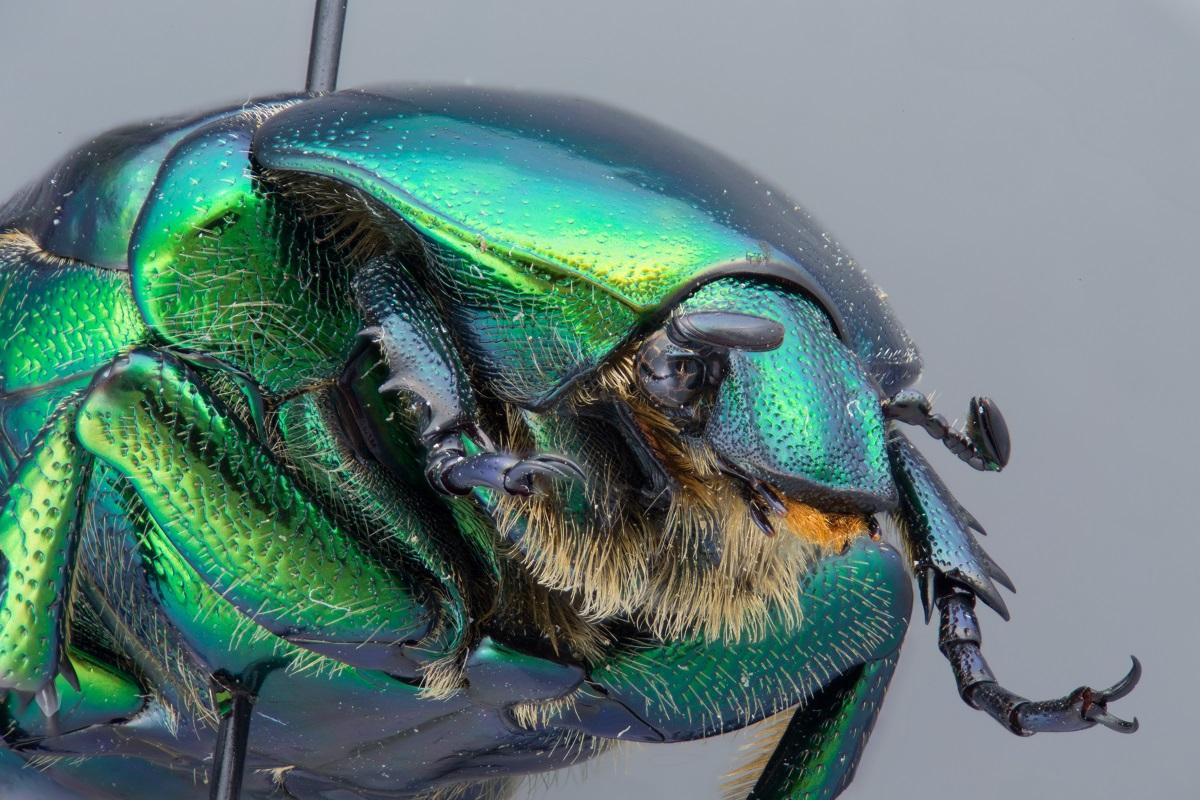
On the occasion of Wikipedia’s 25th anniversary, the Museum für Naturkunde Berlin (MfN) is taking part in a joint initiative with more than 30 cultural, educational, and heritage institutions from Germany and Austria. Together, they are donating 25 previously unpublished, freely licensed contents each, which will be made available on Wikimedia Commons starting January 15, 2026. With this contribution, the MfN actively supports the advancement of free and reliable knowledge worldwide.
Since its founding, Wikipedia has pursued the goal of making knowledge freely accessible to everyone. This mission closely aligns with that of the Museum für Naturkunde Berlin. As an integrated research museum within the Leibniz Association, the MfN develops an open knowledge infrastructure for nature and consistently promotes Open Science through open access publishing, open data, and international collaboration.
“The quality of knowledge available on Wikipedia depends on the quality of its sources,” the Museum emphasizes. Beyond the 25 anniversary contributions, the MfN provides a continuously growing body of open, curated collection and research data related to biological and geoscientific evolution as well as global biodiversity. To ensure structured access and international connectivity, the Museum increasingly relies on Wikidata, the open, collaborative knowledge database within the Wikimedia ecosystem.
Natural history collections and research institutions play a crucial role in ensuring free and trustworthy access to scientific knowledge. Especially in times of disinformation and the expanding use of artificial intelligence, high-quality, well-contextualized, openly available data are more important than ever. Through its commitment, the MfN strengthens not only Wikipedia, but also the global scientific and societal use of reliable information.
By releasing its content under free licenses, the Museum enables its materials to be used not only to illustrate Wikipedia articles, but also by educators, students, researchers, creatives, and the general public around the world—without legal barriers. At the same time, this increases the visibility of the Museum’s collections and research and positions the MfN as an active contributor to the digital knowledge society.
The joint anniversary initiative sends a strong signal for the future of cultural and scientific knowledge dissemination. It demonstrates how museums, archives, libraries, schools, and universities, together with participatory knowledge projects like Wikipedia, can preserve, share, and activate cultural and scientific heritage for the 21st century.
All contributions from participating institutions will be available from January 15, 2026, on the Wikipedia anniversary page.
 Bernhard Schurian