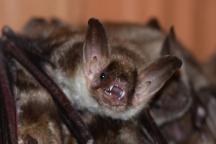
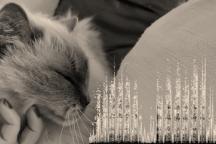
Order Oldest firstNewest first AmberAmphibiansAnimal sound archiveProtection of SpeciesExtinction of SpeciesAstronomyExhibitionBiodiversityBirdsCitizen ScienceChildrenClimate ChangeCollaborationCollectionCollections ManagementCooperationCoralsCultural HeritageDatabaseDigitalizationEarth SciencesEcosystemImpactEventEvolutionFinanceFishesResearchResearch ClusterFossilsFuture PlanGeneticsGenomicsSocietyInsectsKnowledge TransferLaboratoriesMammalsMeteoritesMineralsMolluscaMorphologyMuseum VisitNatureOpen MuseumOpen SciencePlantsPodcastPoliticsReptilesResearch Data ManagementSaurScience CommunicationSpecial ExhibitionSpider Press release, 27-03-2026 Amber Evolution Research Fossils Spider Surprise in Amber: Exotic Harvestmen Once Lived in Europe A German-Bulgarian research team has discovered a new species of harvestman in 35-million-year-old Ukrainian and Baltic amber in the collection of the Museum für Naturkunde Berlin Press release, 23-03-2026 Research Male bats sing in the rotor-swept zone of wind turbines Research led by the Museum für Naturkunde shows: seven European bat species sing and circle deliberately at wind turbines – an important clue for smarter mitigation. Press release, 11-03-2026 Research Fossils Tracking the memory of rocks: Bromacker is 4 million years older than previously thought When a few millimetres make a difference of four million years: the Bromacker fossil site is older than previously thought. This was recently discovered by a team of researchers involving the Museum für Naturkunde Berlin. Press release, 04-03-2026 Amphibians Research Fossils An ancient plant-eater with a twisted jaw and sideways-facing teeth New early land vertebrate discovered: An international team including the Museum für Naturkunde Berlin describes Tanyka amnicola, a 275-million-year-old species from Brazil with a twisted jaw and sideways-facing teeth. Press release, 27-02-2026 Research Climate Change Mammals Taking turns in the cold: Female Daubenton’s bats share scarce feeding grounds at the edge of their range A research team from the University of Naples Federico II, Museum für Naturkunde Berlin, and several international partner institutions shows: female Daubenton’s bats take turns using the same hunting spots instead of feeding side by side. Press release, 11-02-2026 Evolution Research Fossils Reptiles Oldest known reptile skin impressions discovered in the Thuringian Forest An international study led by the Museum für Naturkunde Berlin provides new insights into the early evolution of terrestrial vertebrates. Press release, 30-01-2026 Evolution Research Fossils Ecosystem Fossil regurgitation reveals feeding behaviour of an early land predator New research involving the Museum für Naturkunde documents the earliest occurrence of fossilised regurgitation (regurgitalite) produced by a strictly terrestrial predator from the early Permian Bromacker locality. Press release, 07-01-2026 Research Mammals Animal sound archive Fighting and flirting in the church attic A new study from the Museum für Naturkunde Berlin reveals that Greater Mouse-eared bats not only possess a broad repertoire of vocalisations but also that their calls are individually distinct. Press release, 10-12-2025 Evolution Research Mammals Cats’ purrs reveal who’s who better than their meows A new study with the participation of the Museum für Naturkunde Berlin shows: a domestic cat’s purr reveals far more about its individual identity than its meow. Press release, 04-12-2025 Evolution Research Jaw versatility enabled the ecological success of amniotes New research reveals a burst in jaw variety in the earliest amniotes – which includes the ancestors of all reptiles, birds and mammals. Pagination Current page 1 Page 2 Page 3 Page 4 Page 5 … Next page Next › Last page Last »