Skip to main content
Header Menu
Opening Hours
Location
Tickets
Press
News
Shop
Visit
Exhibitions
ZUGvögel
Zukunftsplan
Dinosaurs!
digitize!
The World of Dinosaurs
System Earth
The Cosmos and the Solar System
Evolution in Action
Wet Collection
Keller’s Insect Models
Highlights of taxidermy
Minerals
Humboldt Intervention
Touring Exhibitions
Archive: Special Exhibition
#fürNatur digital
Podcast Beats & Bones
Queering Nature
Podcast Süßes oder Saurier
Wie Gras
Plan Your Visit
How to get here
Accessibility
Visitors regulations
Digital Guide / Audioguide
Film and Photography
Museum Café
Museum Shop
Participate
Citizen Science
Volunteering
Education
Digital Offer
Guided Tours
School and Kindergarten
Families
Children’s Birthday Parties
Adults
Advanced Training
Partnerships and Projects
Events
Research
Research
Dynamics of Nature
Collection Future
Society and Nature
Infrastructure
Collection
Labs
Research Information Technology Infrastructure
Research Data Management Infrastructure
Transfer
Communicating
Advising
Applying
People Search
The Museum
The Museum today
The Museum
Building
Sponsors
Team
The Museum in the future
Future Plan
Collection discovery
Knowledge Transfer
Media
Press
News
"für Natur" Journal
Newsletter
Jobs & Career
Work here
Jobs
Enter your keywords
DE
EN
Our Science
All Science Programmes
SP1 Dynamics of Nature
SP2 Collection Future
SP3 Society and Nature
All Departments
Centre for Integrative Biodiversity Discovery
Education & Outreach
Evolutionary Diversity Dynamics
Evolutionary Morphology
Exhibition
Public Engagement and Impact
Social Innovation Unit
Solar System, Impacts & Meteorites
All Topics
Research
Research Infrastructure
Transfer
Amphibians
Biodiversity
Citizen Science
Climate Change
Collection
Collections Management
Cooperation
Cultural Heritage
Database
Digitalization
Earth Sciences
Evolution
Extinction of Species
Fossils
Future Plan
Genetics
Genomics
Impact
Knowledge Transfer
Laboratories
Mammals
Morphology
Open Museum
Open Science
Politics
Protection of Species
Research Cluster
Research Data Management
Science Communication
Society
Evolutionary Diversity Dynamics
Solar System, Impacts & Meteorites
Research Infrastructure
Extinction of Species
Biodiversity
Impact
Evolution
Laboratories
High-Performance Computing Cluster
Meteorite impacts, the development of planet Earth and genome investigations: The high-performance computing cluster of the Museum für Naturkunde Berlin processes large amounts of data for complex simulations and analyses.
SP2 Collection Future
Research Infrastructure
Collection
Biodiversity
Digitalization
Laboratories
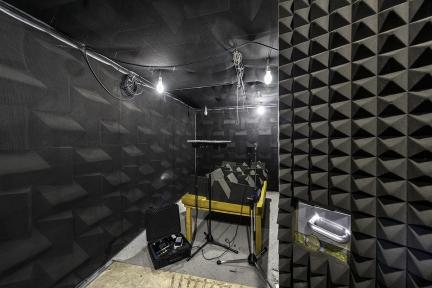
Bioacoustics Laboratory
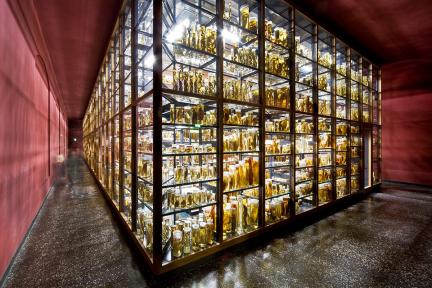
Communication signals on magnetic tape and bat calls in the ultrasonic range: In the bioacoustics laboratory, researchers from the Museum für Naturkunde Berlin investigate animal sound worlds.
SP1 Dynamics of Nature
SP2 Collection Future
Research Infrastructure
Morphology
Digitalization
Fossils
Laboratories
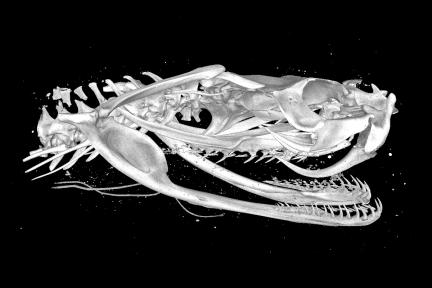
Micro-CT Laboratory
The evolution of snake locomotion, sabre-toothed frogs and African antelopes: In the 3D laboratory of the Museum für Naturkunde Berlin collection objects are recorded spatially.
SP1 Dynamics of Nature
Evolutionary Diversity Dynamics
Research
Biodiversity
Fossils
Climate Change
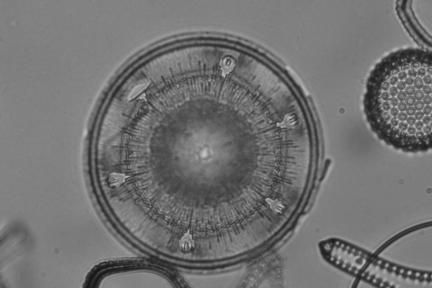
Useful green tiny ones
Diatoms are widespread today and are an important part of the ecosphere. They began to spread 60 million years ago.
Evolutionary Diversity Dynamics
Research
Morphology
Biodiversity
Evolution
Earth Sciences
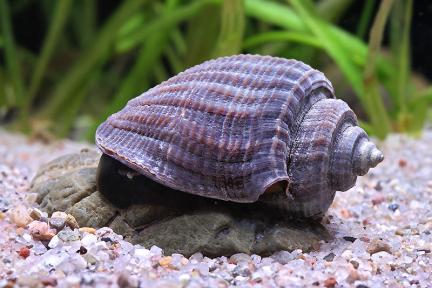
Freshwater mollusc biogeography of Wallacea
The biogeography of freshwater molluscs in Wallacea has been influenced significantly by abiotic factors. The colonization of islands was driven by active and passive dispersal as well as vicaricance.
SP2 Collection Future
Research Infrastructure
Open Museum
Collections Management
Database
Research Data Management
Collection
Biodiversity
Digitalization
Fossils
Earth Sciences
Cooperation
ABCD 3.0 - Ongoing development of a data standard for biodiversity data
Biodiversity data are naturally diverse. A research group is further developing a uniform system that can technically map diversity
SP2 Collection Future
Research Infrastructure
Open Museum
Collections Management
Database
Research Data Management
Collection
Digitalization
DiSSCo: A European infrastructure
Distributed System of Scientific Collections
SP1 Dynamics of Nature
Solar System, Impacts & Meteorites
Research
Database
Impact
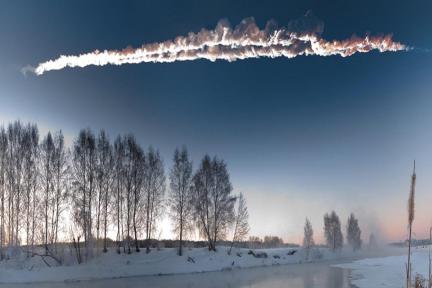
Effects of meteorite impacts
If a cosmic object is threatening to impact Earth fast predictions of the consequences will be provided by the usage of a database containing numerous pre-processed models of likely impact scenarios.
SP1 Dynamics of Nature
Evolutionary Morphology
Research
Morphology
Evolution
Fossils
Functional cranial morphology of cetaceans
Cranial asymmetry is known in odontocetes that can hear ultrasound and has been linked to the split function of the nasal passage in breathing and vocalization. Mysticete crania are as symmetric as those of terrestrial artiodactyls and archaeocetes, without significant differences within Mysticeti.
SP1 Dynamics of Nature
Evolutionary Morphology
Research
Morphology
Mammals
Evolution
Fossils
Internal anatomy of ear bones and the evolution of low frequency hearing in baleen whales
Low-frequency hearing limits are connected to longer cochleae and relatively larger cranial widths. Very LF hearing in Mysticeti appeared in the middle Miocene, and mysticete infrasonic hearing had evolved by the late Miocene.
Solar System, Impacts & Meteorites
Research
Research Infrastructure
Impact
Fossils
Earth Sciences
Laboratories
Geochemical and Microanalytical Laboratories
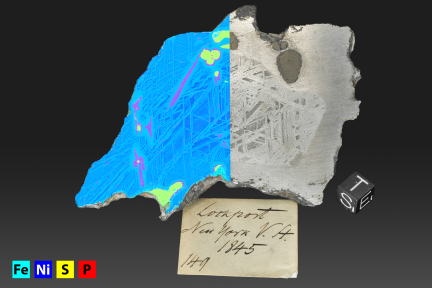
The bigger picture in the details: Researchers investigate the often tiny traces of geological and cosmic processes in rocks in the geochemical and microanalytical laboratory complex.
Cooperation
Cooperations
Research museums such as the Museum für Naturkunde do not work in isolation, but are always part of national and international networks. Networking with other research institutions and policy stakeholders promotes exchange and is the driving force behind innovative research. More about the Memberships of the Museum für Naturkunde Berlin you can find here.
SP1 Dynamics of Nature
Evolutionary Diversity Dynamics
Research
Extinction of Species
Fossils
Earth Sciences
Climate Change
Tiny fossil thermometers
Small ostracods provide evidence of climate change 252 million years ago. Researchers are investigating how this is related to the mass extinction of that time.
SP1 Dynamics of Nature
Evolutionary Diversity Dynamics
Research
Research Infrastructure
Database
Fossils
Earth Sciences
Update for the Neptune Sandbox
Drilling cores from the deep sea document in extraordinary detail around 100 million years of evolutionary and climatic history of the Earth. Researchers at the Museum für Naturkunde Berlin make the data better available for use.
Evolutionary Morphology
Research
Database
Mammals
Extinction of Species
Biodiversity
Evolution
Evolution of diversity in large herbivores
Diversity patterns are the result of complex deep-time interactions between bio-abiotic factors. Researchers from the MfN investigate are investigate which factors affected to large herbivorous herbivores during the Cenozoic.
SP1 Dynamics of Nature
Evolutionary Morphology
Research
Morphology
Mammals
Evolution
Genetics
Laboratories
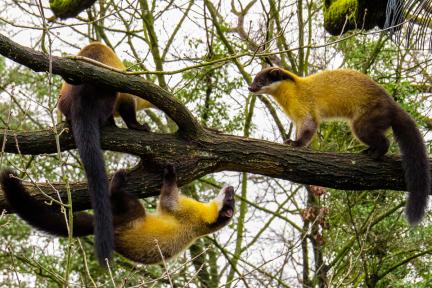
Mustelids on the move
Martens as swimmers, diggers, and climbers: research into how the muscles and bones of mustelids evolved for different types of locomotion.
SP1 Dynamics of Nature
Evolutionary Diversity Dynamics
Research
Biodiversity
Evolution
Fossils
Earth Sciences
Climate Change
Predicting the future with plankton
Researchers are investigating the relationship between polar oceans in Paleogene, the development of plankton and future climate change.
Centre for Integrative Biodiversity Discovery
Research
Protection of Species
Collection
Biodiversity
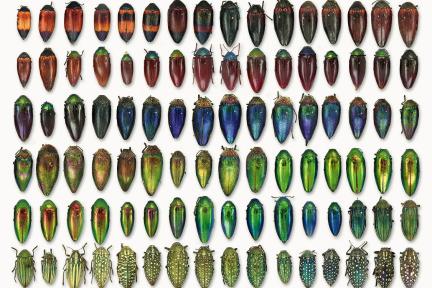
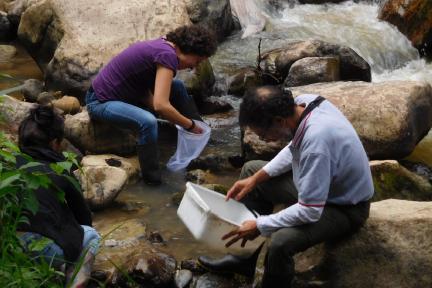
Caddis fly hunting in the Andes
The Páramo in the high altitudes of the South American Andes is a unique ecosystem. A Colombian-German team is doing research on the poorly known insect fauna.
Evolutionary Morphology
Research
Mammals
Collection
Evolution
Genetics
African antelopes in the ice age
Climatic changes during the ice age influenced the distribution of antelope species throughout Africa. In the case of the South African bluebuck, a fatal factor came into play at a later stage.
SP3 Society and Nature
Social Innovation Unit
Transfer
Knowledge Transfer
Society
Earth Sciences
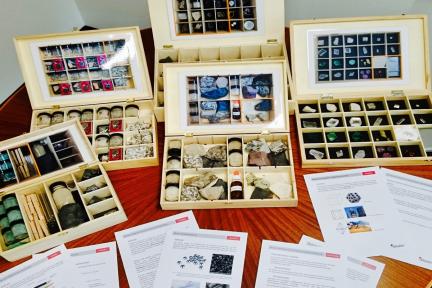
Hands-on mineralogy
Geosciences are sometimes neglected at school. Mineralogical cases with colourful educational material bring the subjects back on the desks.
Pagination
First page
« first
Previous page
‹ previous
…
Page
6
Page
7
Current page
8
Page
9
Page
10
…
Next page
next ›
Last page
last »
Cookies
Privacy settings
Settings
Accept essential
Accept all
Cookies
back
Privacy settings
Apply settings