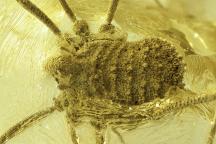
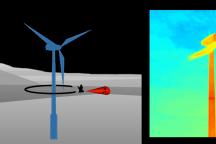
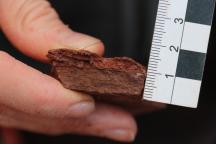
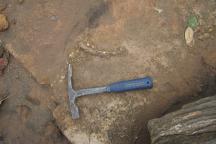
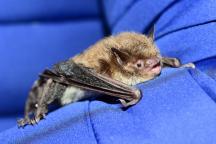
Current press releases AmberAmphibiansAnimal sound archiveProtection of SpeciesExtinction of SpeciesAstronomyExhibitionBiodiversityBirdsCitizen ScienceChildrenClimate ChangeCollaborationCollectionCollections ManagementCooperationCoralsCultural HeritageDatabaseDigitalizationEarth SciencesEcosystemImpactEventEvolutionFinanceFishesResearchResearch ClusterFossilsFuture PlanGeneticsGenomicsSocietyInsectsKnowledge TransferLaboratoriesMammalsMeteoritesMineralsMolluscaMorphologyMuseum VisitNatureOpen MuseumOpen SciencePlantsPodcastPoliticsReptilesResearch Data ManagementSaurScience CommunicationSpecial ExhibitionSpider Press release, 27-03-2026 Amber Evolution Research Fossils Spider Surprise in Amber: Exotic Harvestmen Once Lived in Europe A German-Bulgarian research team has discovered a new species of harvestman in 35-million-year-old Ukrainian and Baltic amber in the collection of the Museum für Naturkunde Berlin Press release, 23-03-2026 Research Male bats sing in the rotor-swept zone of wind turbines Research led by the Museum für Naturkunde shows: seven European bat species sing and circle deliberately at wind turbines – an important clue for smarter mitigation. Press release, 11-03-2026 Research Fossils Tracking the memory of rocks: Bromacker is 4 million years older than previously thought When a few millimetres make a difference of four million years: the Bromacker fossil site is older than previously thought. This was recently discovered by a team of researchers involving the Museum für Naturkunde Berlin. Press release, 04-03-2026 Amphibians Research Fossils An ancient plant-eater with a twisted jaw and sideways-facing teeth New early land vertebrate discovered: An international team including the Museum für Naturkunde Berlin describes Tanyka amnicola, a 275-million-year-old species from Brazil with a twisted jaw and sideways-facing teeth. Press release, 27-02-2026 Research Climate Change Mammals Taking turns in the cold: Female Daubenton’s bats share scarce feeding grounds at the edge of their range A research team from the University of Naples Federico II, Museum für Naturkunde Berlin, and several international partner institutions shows: female Daubenton’s bats take turns using the same hunting spots instead of feeding side by side. All press release