Solar System, Impacts & Meteorites
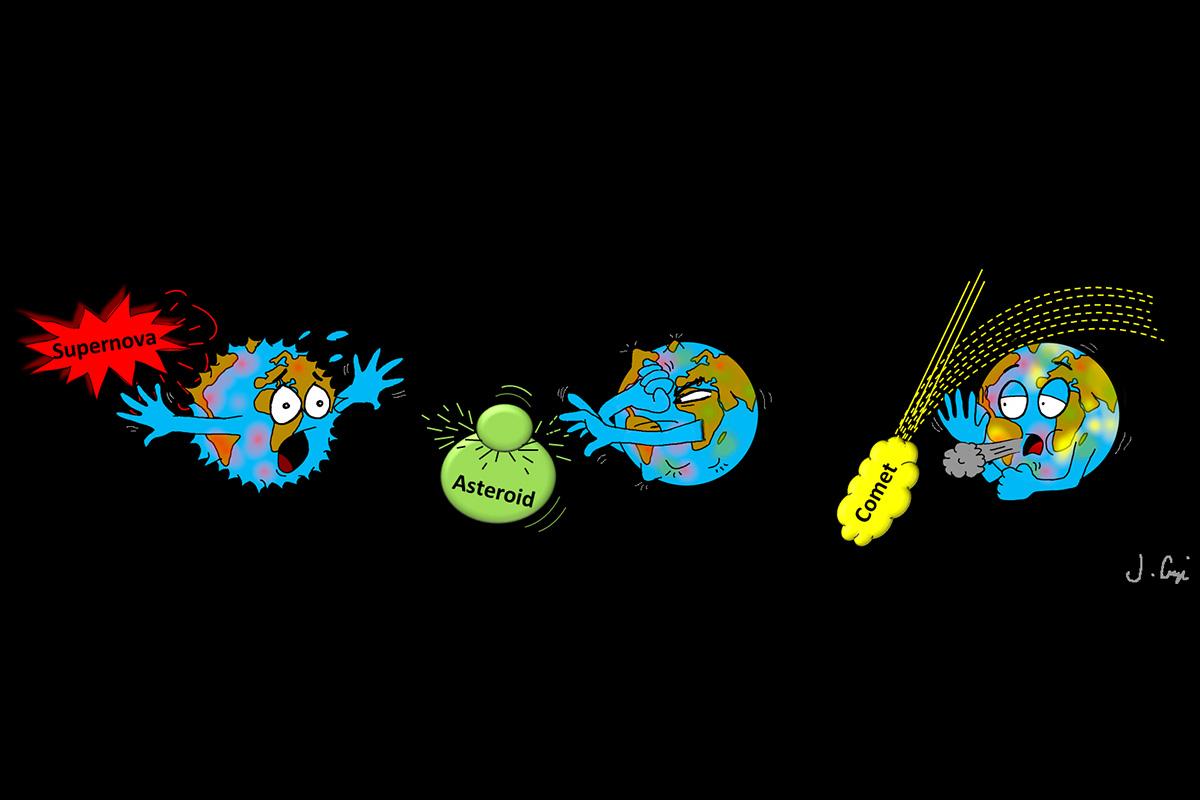
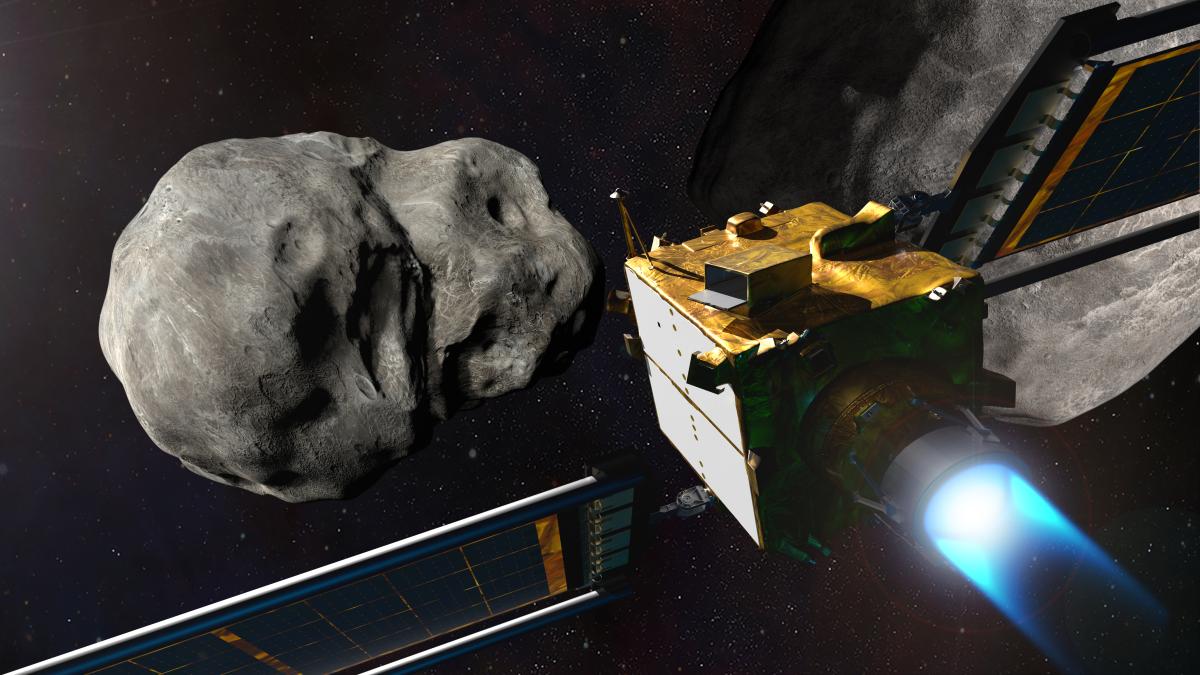
Research in the department Solar System, Impacts, & Meteorites is dedicated to understanding how extraterrestrial processes have shaped the long-term evolution of our planet. Material arriving from space—ranging from asteroids and meteorites to fine cosmic dust—acts as an archive of planetary formation and provides crucial constraints on the chemical makeup of planets and the emergence of Earth as a life-supporting environment. Throughout Earth’s history, impacts by asteroids, as well as potential influences originating beyond the solar system, have repeatedly altered biological evolution, and similar events in the future remain a substantial hazard for modern society.
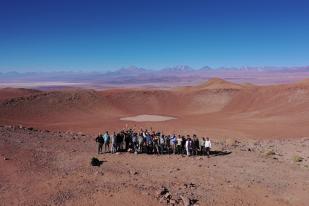
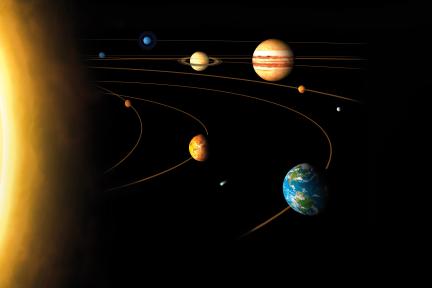
The department combines the analysis of geological evidence from terrestrial impact structures, sedimentary sequences, meteorites, and micrometeorites with remote sensing observations from space missions to unravel the formation and evolution of the planetary system. Particular emphasis is placed on identifying signatures of extraterrestrial events preserved in Earth’s geological record and on assessing their consequences for the solid Earth, the atmosphere, and the biosphere. Beyond fundamental research, the systematic collection and study of micrometeorites in urban environments actively supports citizen science initiatives and enhances geoscience and planetary science education at schools. Investigations of the Moon, carried out within the DFG Collaborative Research Centre TRR170 Late Accretion onto Terrestrial Planets, provide unique information on early stages of Earth’s evolution and episodes of intense bombardment that are no longer accessible in terrestrial archives.
To address these questions, the department applies an interdisciplinary methodological framework that includes micro- and geochemical characterization of samples, numerical simulations via a high-performance computing cluster, and controlled laboratory experiments (example project MEMIN). These approaches enable a comprehensive assessment of the flux of extraterrestrial matter to Earth over geological time, the environmental effects of impact events, and the formation of distinctive shock-related features in rocks and minerals that serve as diagnostic markers of impact processes. By advancing knowledge of how cosmic processes have influenced Earth through time, this research contributes directly to a deeper understanding of the origin of life and its early evolutionary pathways.
Here you can discover our Team and current research topics.